Trezor.io/start: Step-by-Step Guide to Protecting Your Cryptocurrency
Cryptocurrency allows you to take full control of your money. With coins like Bitcoin, Ethereum, and many others, you don’t need banks to manage your funds. But managing crypto safely requires responsibility. If your private keys are lost, stolen, or exposed, your assets can disappear forever.
A hardware wallet, such as Trezor, protects your digital assets by keeping your private keys offline, away from hackers, malware, and phishing attacks. Using Trezor.io/start guarantees a secure, official starting point. This guide will walk you through unboxing, setup, daily use, and advanced security strategies, so you can confidently manage your cryptocurrency.
1. Understanding Trezor
Trezor is a hardware wallet—a compact, secure device that stores your cryptocurrency private keys offline. Unlike online wallets or exchanges, which are always connected and vulnerable, Trezor keeps your keys safe in a tamper-resistant device.
Benefits of Trezor
Offline Security: Keeps private keys isolated from online threats.
Supports Many Coins: Bitcoin, Ethereum, and hundreds more.
User-Friendly: Manage your assets with Trezor Suite software.
Trusted Brand: Developed by SatoshiLabs, pioneers in hardware wallet technology.
Trezor Models
Trezor One: Reliable, simple, and ideal for beginners.
Trezor Model T: Premium device with touchscreen, extra coin support, and advanced features.
2. Why Begin at Trezor.io/start
Starting at Trezor.io/start ensures:
You download the official Trezor Suite software.
You follow verified instructions that prevent scams or phishing attacks.
Your device firmware is updated to the latest secure version.
You learn essential crypto security best practices.
Using the official portal is the safest way to begin your cryptocurrency journey.
3. Unboxing Your Trezor
Your security journey starts at unboxing. Inspect your device carefully.
Checklist:
Tamper Seal: Make sure it hasn’t been broken.
Device Condition: Check for scratches or damage.
Included Accessories: USB cable, recovery card, and manual should be present.
If anything seems suspicious, contact Trezor support immediately.
4. Setting Up Your Wallet
Step 1: Connect the Device
Plug Trezor into your computer using the supplied USB cable.
Open Trezor Suite, downloaded from Trezor.io/start.
Step 2: Initialize Wallet
Select Create New Wallet or Recover Existing Wallet.
Follow on-screen instructions step by step.
Step 3: Create a PIN
Set a secure PIN for device access.
The PIN layout changes each time to prevent keylogging.
Step 4: Generate a Recovery Seed
The recovery seed is a 12–24 word phrase that lets you restore your wallet if it is lost, stolen, or damaged.
Important Guidelines:
Write it on the provided recovery card.
Keep it offline in a safe, secure location.
Never save it digitally or photograph it.
Never share it with anyone.
Step 5: Confirm Your Recovery Seed
Verify the seed words on your device in order.
This ensures your wallet is fully backed up and recoverable.
5. Using Your Trezor Wallet
Receiving Cryptocurrency
Share your wallet address to receive funds.
Double-check the address before receiving.
Sending Cryptocurrency
Enter the recipient’s address in Trezor Suite.
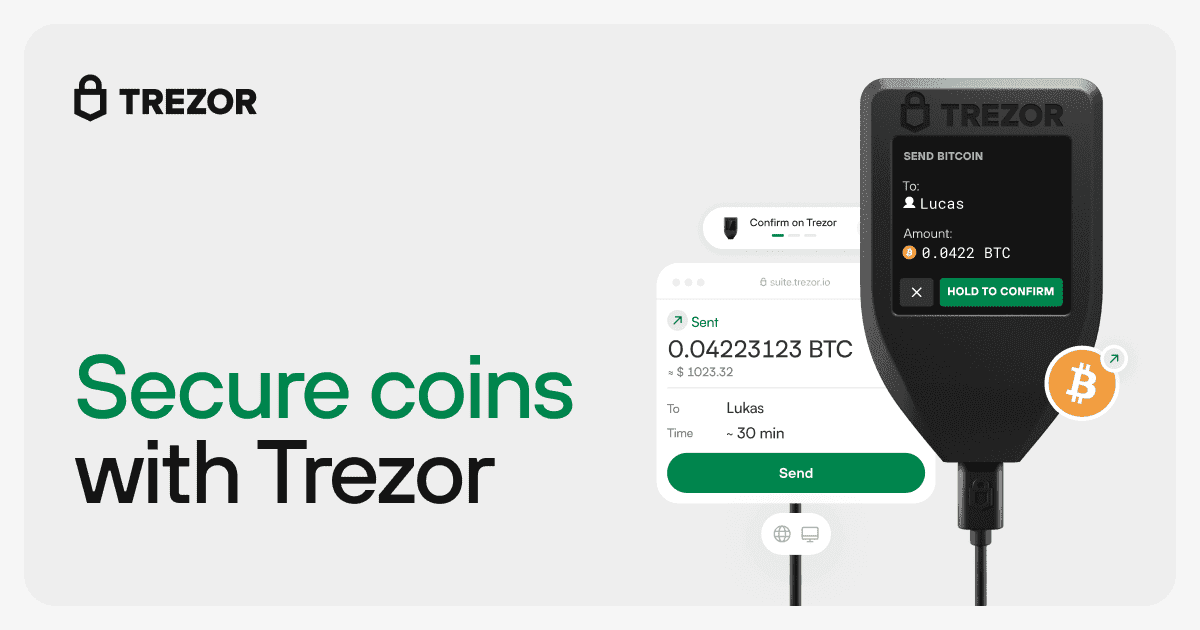
Confirm the transaction on the device to prevent malware manipulation.
Managing Multiple Assets
Trezor supports hundreds of cryptocurrencies.
You can create multiple accounts to organize different tokens efficiently.
6. Trezor Suite: Your Management Platform
Trezor Suite is your hub for controlling your wallet:
View balances and transaction history.
Manage multiple accounts and cryptocurrencies.
Update firmware safely.
Connect to apps for DeFi, NFTs, and token management.
It combines security and convenience, making crypto management straightforward.
7. Advanced Security Features
Trezor offers additional protections:
Physical Confirmation: Every transaction must be approved on the device.
Optional Passphrase: Create hidden wallets for extra security.
Regular Firmware Updates: Protect your device from vulnerabilities.
Even if your computer is compromised, these features help safeguard your assets.
8. Backup and Recovery
Why Backups Matter
Your recovery seed is essential. Losing it can permanently lock you out of your funds.
How to Restore Your Wallet
Open Trezor Suite and choose Recover Wallet.
Enter your recovery seed correctly.
Your wallet and transaction history will be restored.
Best Practices
Keep your seed offline and secure.
Store a secondary backup separately.
Treat it like cash—extremely valuable.
9. Common Mistakes to Avoid
Sharing your recovery seed: Never disclose it.
Following unofficial guides: Only use Trezor.io/start.
Buying from unverified sellers: Stick to official sources.
Skipping firmware updates: Updates fix security issues.
10. Advanced Features
Multi-Signature Wallets: Require multiple approvals for transactions.
DeFi & Token Management: Safely manage ERC-20 tokens, NFTs, and other digital assets.
Third-Party Integrations: Connect Trezor to exchanges and apps for added functionality.
11. Troubleshooting and Support
Even experienced users may encounter challenges. Safe approaches include:
Official Guides: Follow Trezor.io/start instructions.
Verified Support: Contact only official Trezor support.
Community Forums: Useful for general guidance.
Never provide your recovery seed when seeking help.
12. Why Trezor Is Trusted
Trezor is recognized for security, reliability, and usability:
Protects your cryptocurrency from online threats.
Gives users full control over their assets.
Supports a wide variety of cryptocurrencies.
With Trezor, your digital assets remain safe and easily manageable.
13. Conclusion
Starting at Trezor.io/start is the first step to securing your cryptocurrency. By following verified setup instructions, safeguarding your recovery seed, and using your wallet responsibly, you can manage your digital assets with confidence.
Hardware wallets like Trezor are more than storage—they are digital safes for your cryptocurrency. Protect your funds, take control, and secure your financial future.